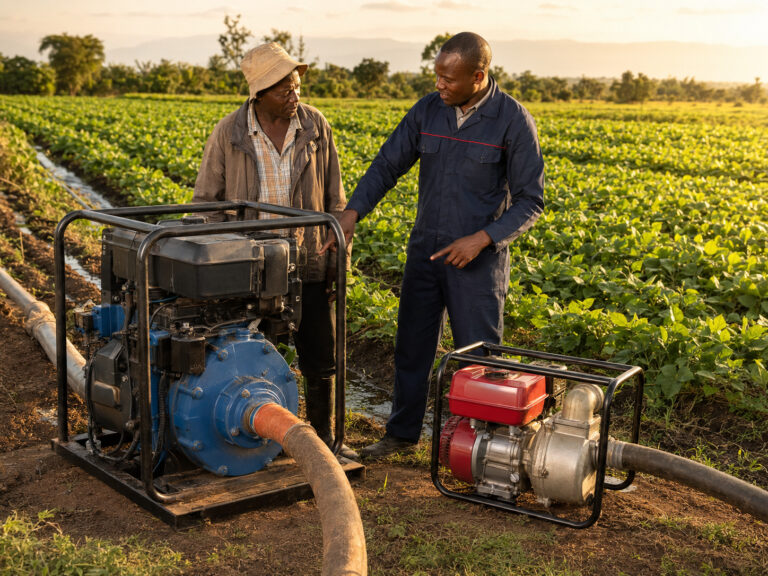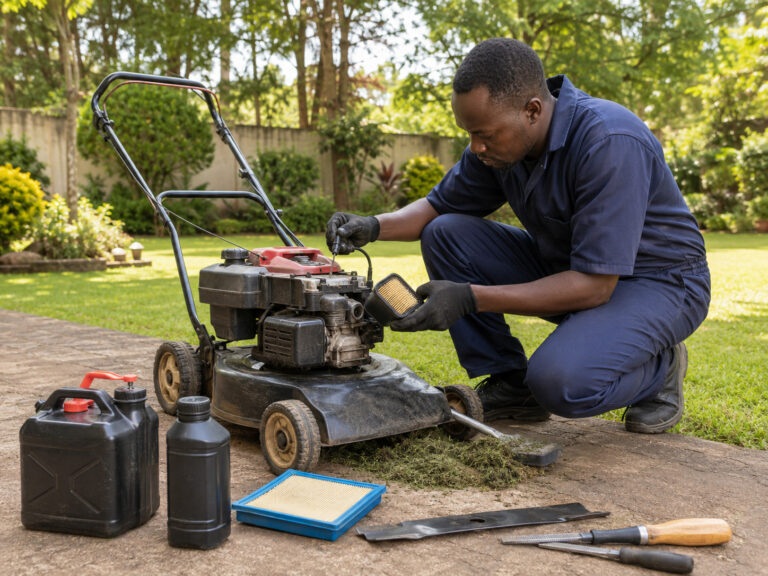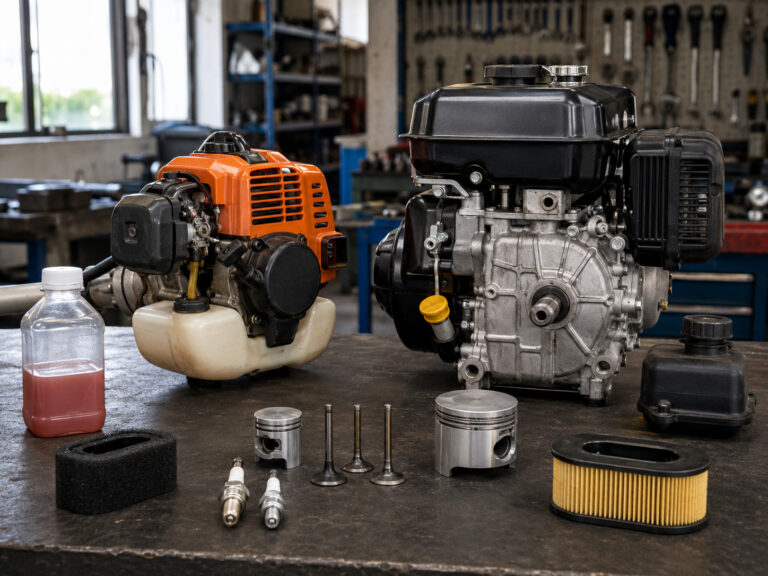
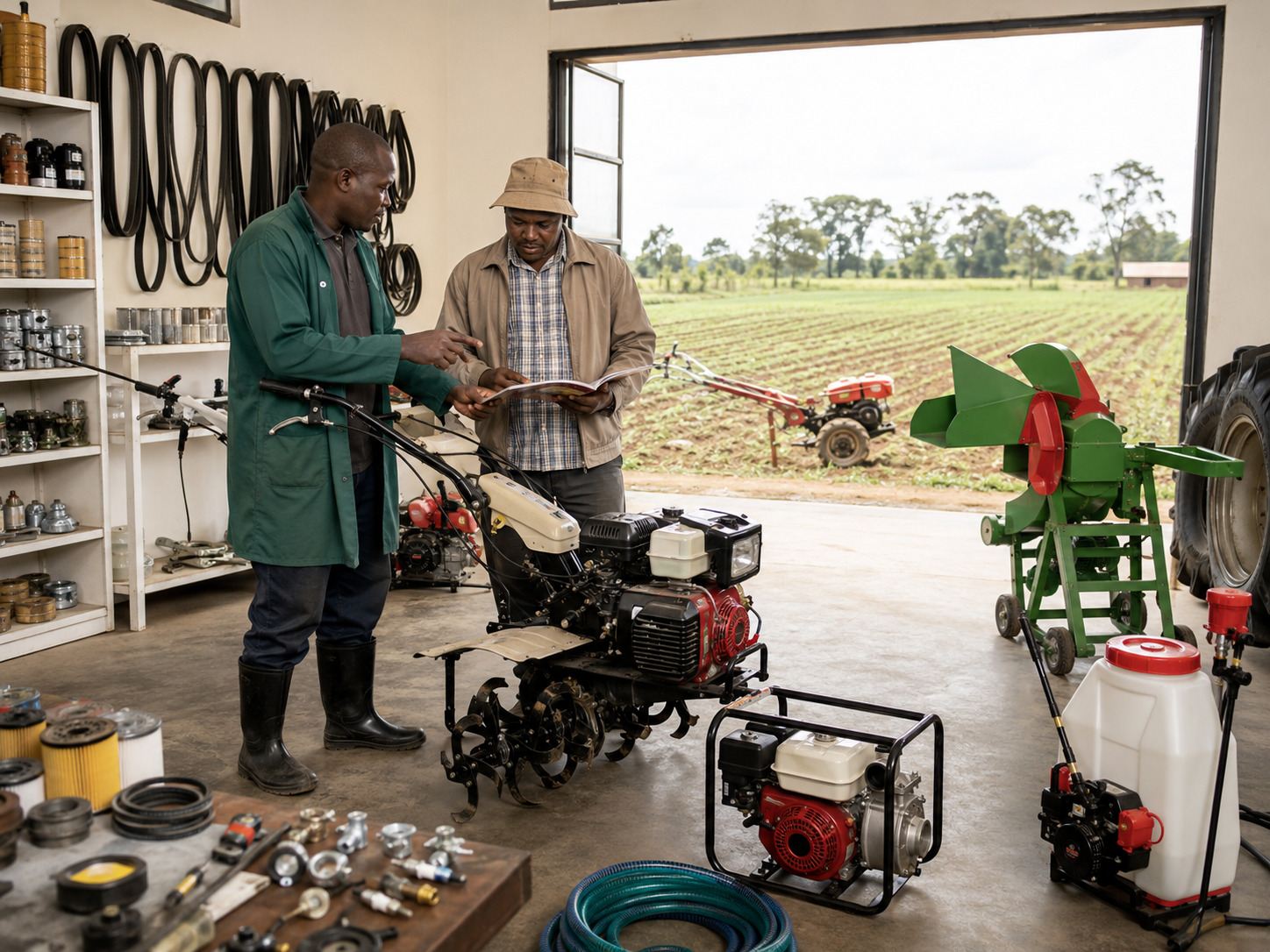
Agricultural mechanization can help farmers complete tasks faster, reduce labour costs, improve efficiency, and increase production. However, purchasing farm machinery is a significant investment, and choosing the wrong equipment can result in unnecessary expenses, poor performance, and frequent maintenance problems.
Before buying any agricultural machine, carefully assess your farm’s needs, operating conditions, and long-term goals. The following factors can help you make an informed decision.
1. Identify the Problem You Want to Solve
Start by clearly defining the farming challenge you want the machine to address.
Are you trying to reduce the time spent preparing land? Do you need to improve planting accuracy, control weeds, spray crops more efficiently, process animal feed, or harvest faster?
Knowing the exact problem will help you avoid purchasing machinery simply because it is popular or attractively priced. The right machine should solve a specific challenge and contribute directly to your farm’s productivity.
Consider questions such as:
- Which farming activity consumes the most time?
- Which task requires too much manual labour?
- Where are production delays occurring?
- Which operation is limiting the size of land you can manage?
- What results do you expect from the machine?
Once the problem is clear, it becomes easier to identify suitable equipment.
2. Choose the Right Machine for the Task
Several machines may appear capable of performing the same job, but they may differ significantly in capacity, efficiency, fuel consumption, and ease of use.
Select equipment that is specifically suited to your intended application. For example, a small power tiller may be ideal for a small or medium-sized farm, while larger fields may require tractor-mounted equipment.
Also consider whether the machine can perform multiple functions by using compatible attachments. Multi-purpose equipment can offer better value, especially for farmers with limited budgets or storage space.
Avoid buying an oversized machine that will be expensive to operate or an undersized one that will struggle to complete the required work.
3. Consider the Size and Conditions of Your Farm
The size, layout, and terrain of your farm should influence the type of machinery you choose.
A compact and highly manoeuvrable machine may be suitable for small plots, narrow crop rows, greenhouses, or farms with many obstacles. Larger equipment may be more efficient on extensive, open farmland.
Assess factors such as:
- Total acreage
- Soil type
- Slope and terrain
- Width of farm paths
- Type of crops grown
- Availability of storage space
- Distance between fields
- Weather and working conditions
Machinery designed for light soil may not perform effectively in hard, rocky, or heavy clay soil. Ensure the selected equipment can withstand the conditions in which it will operate.
4. Research the Machine Thoroughly
Before making a purchase, learn as much as possible about the machine and its intended use.
Research its specifications, operating capacity, fuel requirements, maintenance schedule, available attachments, safety features, and expected lifespan. You can also watch demonstrations, consult experienced farmers, and request guidance from qualified machinery suppliers.
Pay attention to:
- Engine type and power output
- Fuel consumption
- Working width and depth
- Tank or load capacity
- Recommended operating conditions
- Ease of operation
- Maintenance requirements
- Manufacturer’s warranty
- Availability of user manuals
Good research helps you compare different models and prevents decisions based only on appearance or price.
5. Buy from a Reliable Supplier
The quality of the supplier is just as important as the quality of the machine.
Purchase from an established company that provides genuine equipment, clear product information, technical guidance, and dependable after-sales service.
Before selecting a supplier, check:
- Customer reviews and recommendations
- Experience in agricultural machinery
- Availability of genuine spare parts
- Warranty terms
- Repair and servicing capabilities
- Operator training
- Product demonstrations
- Responsiveness to customer concerns
A reliable supplier should help you choose the right machine instead of simply encouraging you to purchase the most expensive option.
6. Check the Availability of Spare Parts
Even durable machinery requires servicing and replacement parts over time.
Before buying, confirm that commonly needed parts such as filters, belts, blades, spark plugs, bearings, cables, seals, and engine components are available locally.
A machine may have an attractive purchase price but become expensive and difficult to maintain if spare parts must be imported or take several weeks to arrive.
Locally available parts reduce downtime and help ensure that the machine remains productive during important farming seasons.
7. Confirm the Availability of Technical Support
Agricultural machinery should be supported by qualified technicians who understand how to service and repair it.
Ask whether the supplier provides:
- Installation and commissioning
- Operator training
- Preventive maintenance
- Troubleshooting assistance
- Repairs and servicing
- On-site technical support
- Access to authorised service centres
Good technical support is especially important for first-time machinery owners. Proper training can prevent operator mistakes, reduce breakdowns, and extend the equipment’s lifespan.
8. Compare the Purchase Price and Total Cost of Ownership
Price is important, but the cheapest machine is not always the most economical.
In addition to the initial purchase cost, consider the expenses you will incur throughout the machine’s working life. These may include:
- Fuel or electricity
- Lubricants
- Spare parts
- Routine servicing
- Repairs
- Operator wages
- Transportation
- Insurance
- Storage
A higher-quality machine may cost more initially but provide better fuel efficiency, fewer breakdowns, and a longer service life.
Compare value rather than price alone.
9. Assess Fuel Efficiency and Power Requirements
Choose a machine that provides enough power for the task without consuming more fuel than necessary.
A machine with insufficient power may operate slowly, overheat, or wear out prematurely. On the other hand, an unnecessarily powerful machine may increase fuel and maintenance costs.
Review the manufacturer’s power ratings and estimated fuel consumption. Consider whether petrol, diesel, electricity, or another power source is most practical and affordable in your location.
10. Consider Ease of Use and Operator Safety
The machine should be comfortable, practical, and safe to operate.
Check whether its controls are clearly labelled and easy to reach. Consider the machine’s weight, vibration, noise levels, balance, and manoeuvrability.
Important safety features may include:
- Protective guards
- Emergency shut-off controls
- Stable handles
- Secure covers
- Heat protection
- Clear warning labels
- Reliable braking systems
Operators should receive proper training and use suitable protective equipment. A machine that is difficult or unsafe to use can reduce productivity and increase the risk of injury.
11. Review the Warranty
A good warranty protects you against manufacturing defects and unexpected problems during the agreed period.
Read the warranty terms carefully and confirm:
- What components are covered
- How long the warranty lasts
- Which situations are excluded
- Who is authorised to perform repairs
- Whether transport or labour costs are included
- What maintenance records must be kept
Avoid suppliers who cannot provide written warranty information or clear procedures for making a claim.
12. Calculate the Expected Return on Investment
Before purchasing, estimate whether the machine will generate enough value to justify its cost.
Consider how much time and labour it will save, how much additional land it will allow you to manage, and whether it will improve yields or product quality.
A machine may be a worthwhile investment when it:
- Reduces labour expenses
- Shortens production time
- Minimizes crop losses
- Increases output
- Enables timely farm operations
- Creates opportunities to offer services to other farmers
Where purchasing is not financially practical, consider hiring, leasing, sharing, or joining a farmers’ cooperative that owns machinery collectively.
Final Thoughts
Agricultural machinery can transform farming by making work faster, easier, and more productive. However, the benefits depend on selecting equipment that matches your farm, workload, budget, and operating conditions.
Before purchasing, identify the problem you need to solve, research suitable machines, compare reliable suppliers, and consider long-term operating and maintenance costs.
A well-chosen machine is more than a purchase—it is an investment in the future productivity and sustainability of your farm.
Need help choosing the right machine?
Tell us about your acreage, location, crop, livestock, or intended application. Our team will help you identify a suitable machine.
Talk to Our Team