As more farmers adopt fuel-powered machinery, agricultural work is becoming faster, easier, and more efficient. However, the quality of fuel used in these machines can significantly affect their performance, reliability, and lifespan.
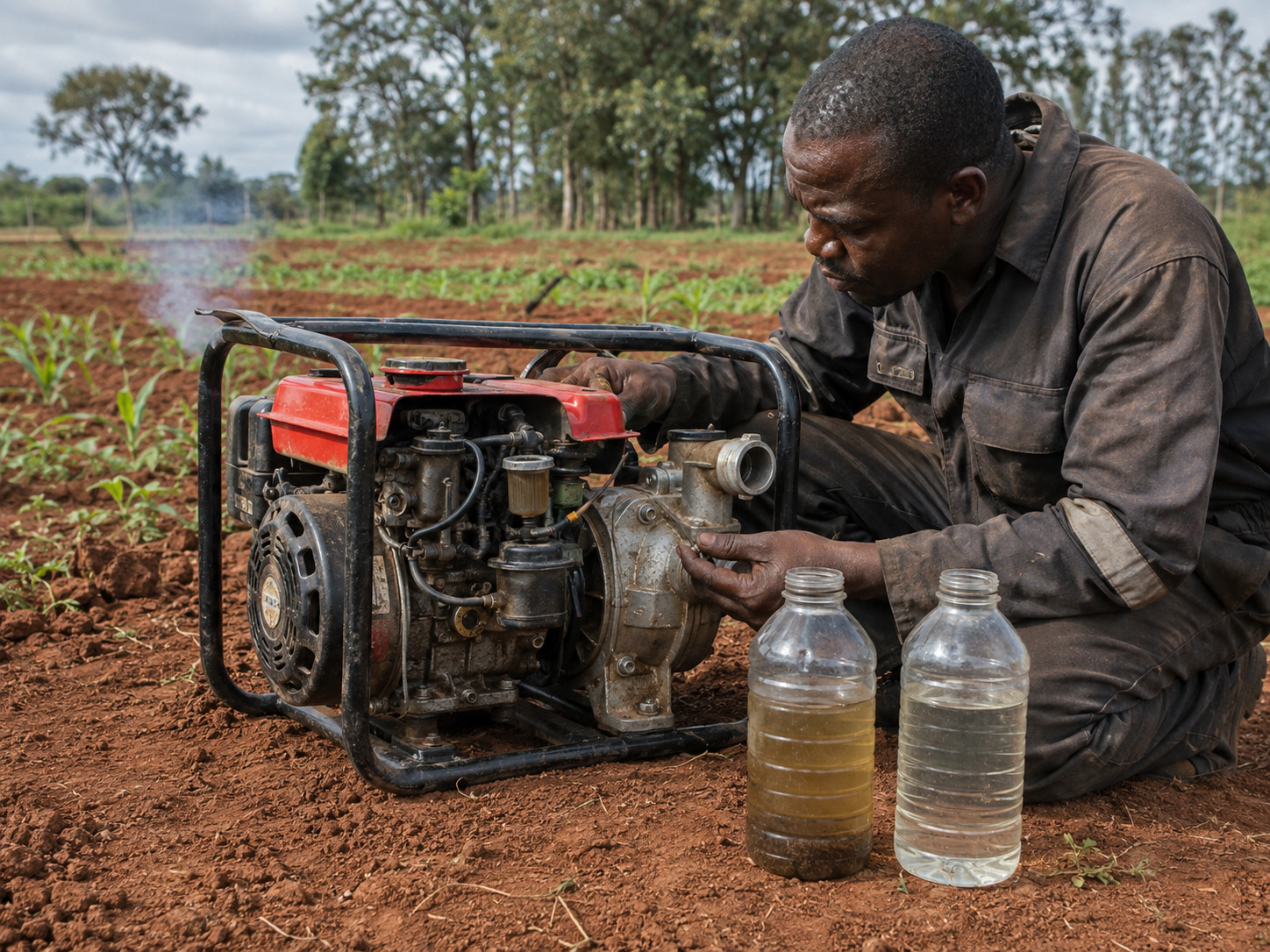
Using contaminated, old, or low-quality fuel may appear to save money in the short term, but it can lead to costly repairs and reduced productivity. Here are some of the major ways bad fuel can affect your machinery.
1. Poor Combustion and Reduced Performance
Low-quality fuel may not burn completely inside the engine. This incomplete combustion reduces the amount of power produced, causing the machine to operate less efficiently.
You may notice that the machine:
- Produces less power
- Consumes more fuel than usual
- Struggles under heavy workloads
- Responds slowly during operation
- Performs inconsistently
When an engine cannot burn fuel efficiently, it becomes difficult for the machine to deliver the level of performance required for demanding agricultural tasks.
2. Engine Knocking
Engine knocking is often heard as a harsh rattling, tapping, or metallic sound while the engine is running. It occurs when fuel burns unevenly or at the wrong time inside the combustion chamber.
Continued use of poor-quality fuel can increase engine knocking and place unnecessary pressure on internal engine components. If the problem is ignored, it may eventually cause serious engine damage and shorten the machine’s useful life.
Unusual engine noises should never be ignored. Stop the machine, inspect it, and seek assistance from a qualified technician where necessary.
3. Carbon Buildup
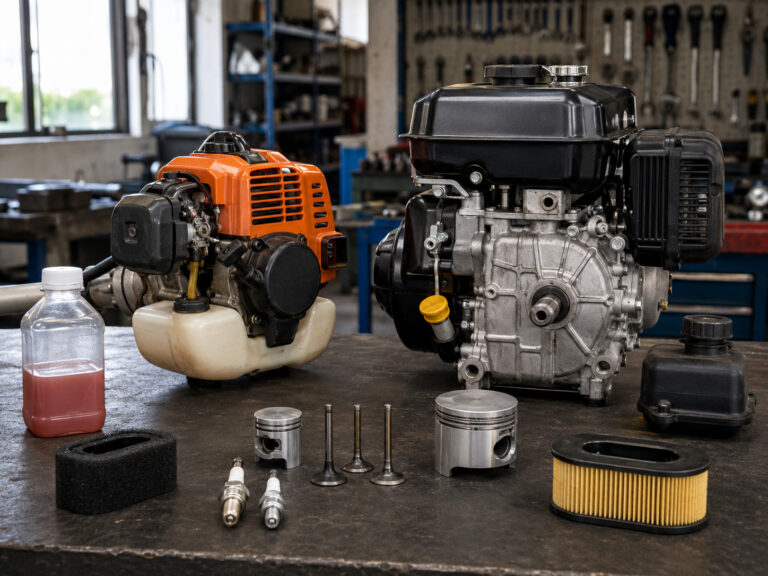
Bad fuel can leave harmful deposits inside the engine. Over time, carbon may accumulate around the fuel injectors, intake valves, spark plugs, and combustion chambers.
These deposits can restrict airflow and interfere with fuel delivery, causing the engine to lose power and efficiency. Carbon buildup may also result in:
- Difficult starting
- Excessive smoke
- Increased fuel consumption
- Rough engine operation
- Frequent maintenance problems
- Reduced engine lifespan
The longer these deposits remain inside the engine, the more difficult and expensive they may be to remove.
How Can You Protect Your Machine?
Always purchase fuel from a trusted and reputable supplier. Use the type and grade of fuel recommended by the machine manufacturer, and avoid storing fuel for long periods.
Fuel should be kept in a clean, tightly sealed container to prevent contamination by water, dust, and other impurities. You should also service the machine regularly and inspect fuel filters, spark plugs, injectors, and other important engine components.
Using clean, high-quality fuel promotes complete combustion and helps your machinery maintain consistent power, efficiency, and performance.
Final Thoughts
The fuel you choose plays an important role in the performance and lifespan of your agricultural machinery. Poor-quality fuel can reduce productivity, increase maintenance costs, and cause permanent engine damage.
Protect your investment by using the correct fuel, following the manufacturer’s recommendations, and servicing your machine regularly. Your machinery works hard for you, so give it the quality fuel it needs to perform at its best.
Need help choosing the right machine?
Tell us about your acreage, location, crop, livestock, or intended application. Our team will help you identify a suitable machine.
Talk to Our Team