Disasters can cause widespread harm to people, property, infrastructure, livelihoods, and the environment. Although preventing disasters is the primary goal of disaster risk reduction, some events cannot be avoided entirely. In such cases, the focus shifts to reducing their impact and helping communities prepare, respond, and recover effectively.
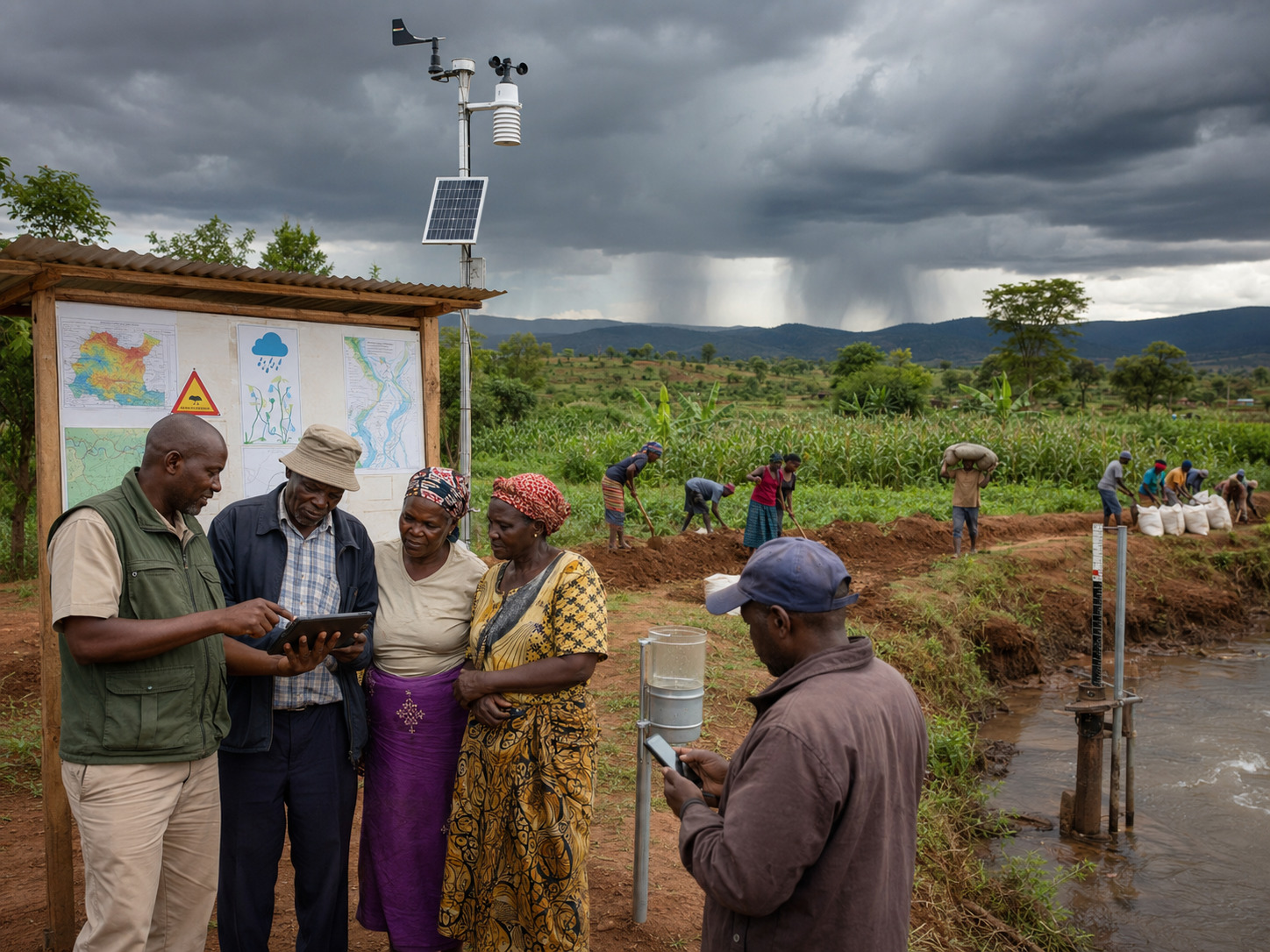
Hazards such as floods, droughts, disease outbreaks, volcanic eruptions, cyclones, and tsunamis can occur suddenly or develop over time. Early warning systems therefore play an essential role in protecting vulnerable communities. These systems must provide timely, accurate, and understandable information so that people can recognise risks and take appropriate action.
The Importance of Early Warning Systems
Effective early warning systems do more than predict possible disasters. They help communities understand the nature of a threat, the areas likely to be affected, and the actions required to reduce harm.
For these systems to work effectively, disaster risk information must be:
- Accurate and reliable
- Shared promptly
- Easy for communities to understand
- Accessible to people in vulnerable areas
- Supported by clear response procedures
When warnings are communicated effectively, communities, government agencies, and humanitarian organisations can prepare before a disaster occurs.
Kenya’s Commitment to Disaster Risk Reduction
Kenya has continued to align its disaster risk reduction efforts with regional and international frameworks.
The Nairobi Declaration highlighted the importance of implementing the Sendai Framework for Disaster Risk Reduction and strengthening environmental strategies that contribute to sustainable development.
Kenya has also worked to align its policies with the Africa Regional Strategy for Disaster Risk Reduction. Under the Programme of Action, various measures have been proposed to improve the country’s ability to understand, communicate, and respond to disaster risks.
These measures include:
1. Combining Scientific and Traditional Knowledge
Scientific research, weather data, environmental monitoring, and local knowledge can all contribute to a better understanding of disaster risks.
Communities often possess valuable knowledge about rainfall patterns, drought conditions, floods, and environmental changes. Combining this experience with scientific information can improve preparedness and decision-making.
2. Generating and Sharing Risk Information
Authorities must collect reliable information about hazards and communicate it to decision-makers and communities.
This information can help county governments, emergency services, farmers, businesses, and households prepare for potential disasters and make informed decisions.
3. Strengthening Risk Information Management
Kenya continues to develop structures for collecting, managing, and distributing disaster risk information.
Effective information management helps ensure that warnings reach the right people at the right time. Messages must also be clear and practical so that communities understand what is happening and what action they should take.
4. Improving Coordination and Preparedness
Disaster risk reduction requires cooperation between national and county governments, humanitarian organisations, development partners, private institutions, and local communities.
Better coordination can improve emergency planning, resource allocation, evacuation procedures, public awareness, and the delivery of assistance during a disaster.
Progress and Remaining Challenges
Kenya has made progress in disaster preparedness, public health response, environmental conservation, and the development of early warning systems.
The country’s management of the COVID-19 pandemic demonstrated the importance of coordinated communication, public awareness, health monitoring, and emergency response systems.
However, more work is still required. Climate change, rapid urbanisation, environmental degradation, and population growth continue to increase the country’s exposure to disasters.
There is a need to strengthen:
- Flood and drought monitoring
- Community awareness and education
- Emergency response infrastructure
- County-level preparedness
- Access to disaster risk information
- Communication with remote and vulnerable communities
- Investment in climate-resilient agriculture and infrastructure
The Role of Communities
Communities are central to successful disaster risk reduction.
People should understand the risks within their local areas and know what to do before, during, and after an emergency. Regular training, public education, evacuation drills, and locally developed response plans can help reduce confusion and save lives.
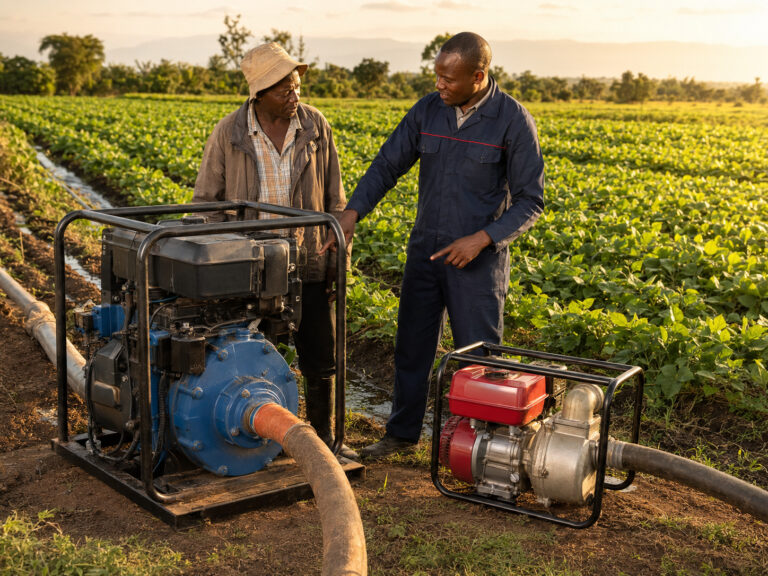
Farmers can also reduce their exposure to climate-related risks by adopting sustainable farming practices, conserving water, protecting soil, diversifying crops, and using reliable weather information when planning agricultural activities.
Final Thoughts
Kenya has taken important steps towards strengthening disaster risk reduction through policy development, early warning systems, information sharing, and cooperation with regional and international partners.
However, disaster preparedness is an ongoing responsibility. Government institutions, development organisations, businesses, and communities must continue working together to reduce risks and protect lives, livelihoods, and national development.
The future may not be free from hazards, but with proper preparation, reliable information, and coordinated action, their impact can be significantly reduced.
Need help choosing the right machine?
Tell us about your acreage, location, crop, livestock, or intended application. Our team will help you identify a suitable machine.
Talk to Our Team