A leaf blower can make outdoor cleaning faster and easier, whether you are clearing leaves, grass clippings, dust, or other light debris. However, proper operation and regular maintenance are essential for keeping the machine safe, efficient, and reliable.
Using a leaf blower incorrectly can reduce its performance, cause unnecessary wear, and increase the risk of injury. The following tips will help you operate and maintain your machine properly.
Tips for Using a Leaf Blower Safely and Effectively
1. Use the Correct Fuel
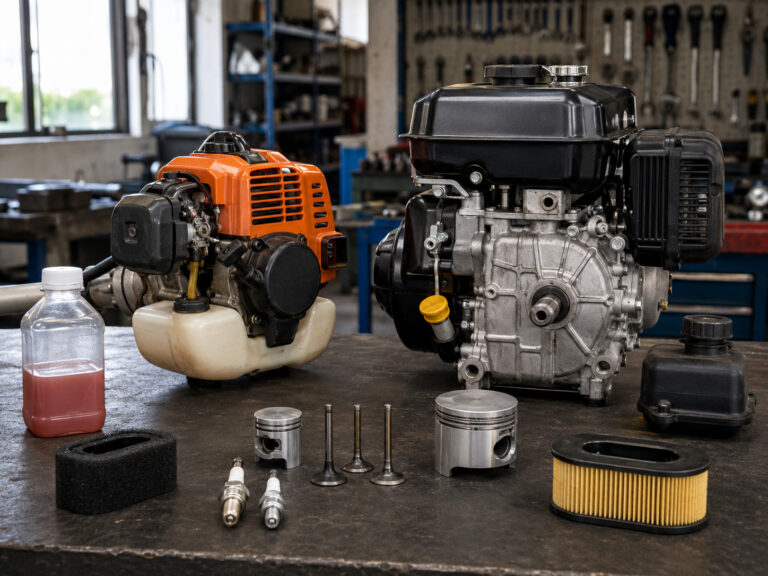
Most petrol-powered leaf blowers use either a two-stroke or four-stroke engine.
Two-stroke engines often require a specific mixture of unleaded petrol and two-stroke engine oil. Four-stroke models usually use petrol and engine oil separately.
Always check the user manual before adding fuel. Using the wrong fuel type or mixing ratio can damage the engine and reduce the machine’s lifespan.
Use fresh, clean fuel from a trusted supplier and avoid fuel that has been stored for a long time.
2. Inspect the Machine Before Use
Before starting the leaf blower, inspect it for any visible damage or loose components.
Check the following:
- Fuel level
- Air filter
- Blower tube and hose
- Handles and controls
- Spark plug connection
- Fuel leaks
- Loose screws or fittings
Do not operate the machine if any protective cover, tube, or essential component is damaged or missing.
3. Wear Appropriate Protective Equipment
Leaf blowers can produce high noise levels and send dust, stones, and other debris into the air.
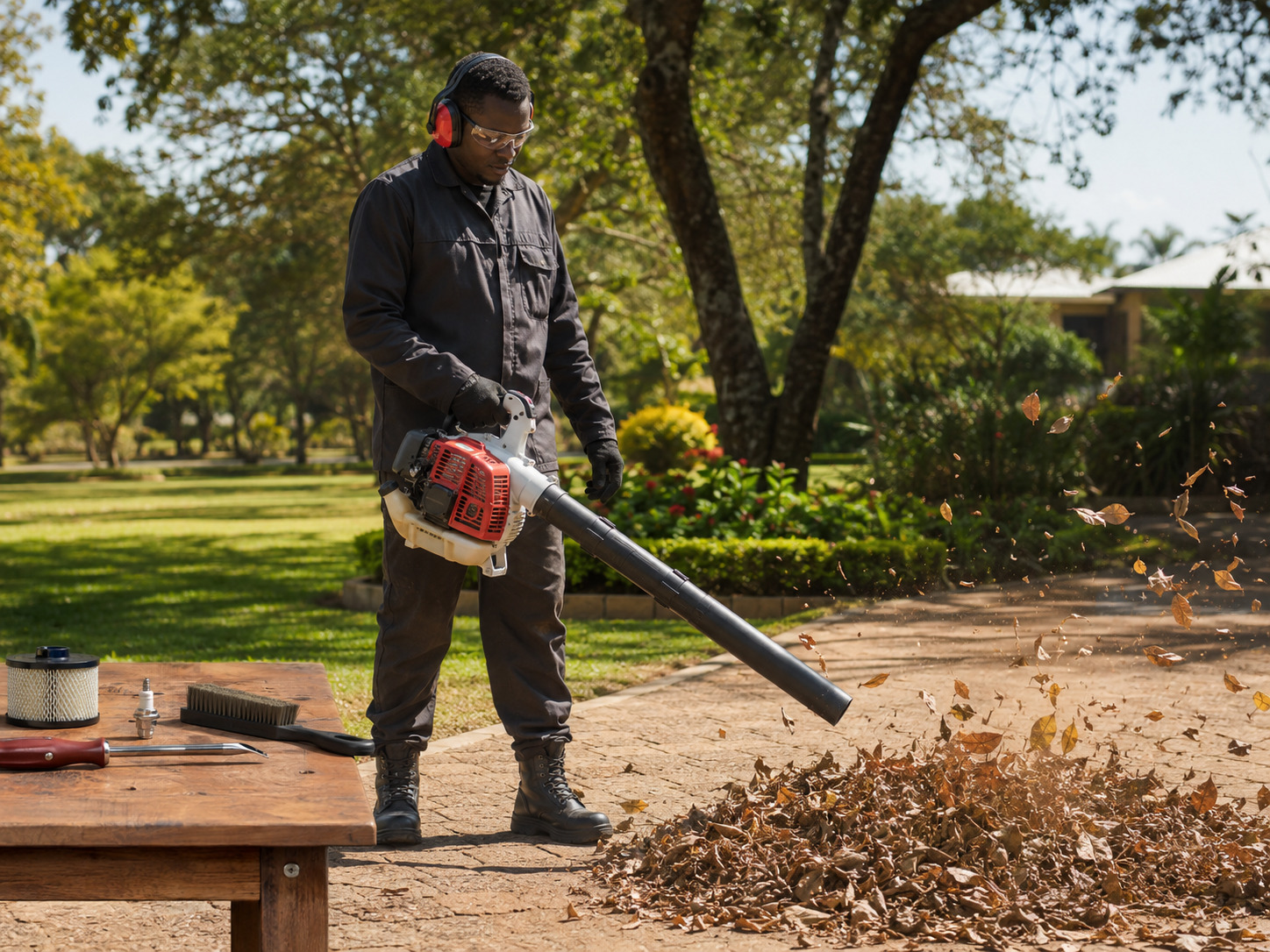
Protect yourself by wearing:
- Safety goggles
- Ear protection
- A dust mask where necessary
- Non-slip gloves
- Closed, non-slip shoes
- Long trousers
- Close-fitting clothing
Avoid loose clothing, jewellery, or anything that could become caught in the machine.
4. Start with the Lowest Power Setting
Begin with the lowest practical speed and gradually increase the power only when necessary.
Operating the blower at full throttle throughout the entire job can increase fuel consumption, noise, vibration, and engine wear.
Lower settings are often sufficient for dry leaves and light debris. Higher power should be reserved for wet leaves, compacted material, and more demanding tasks.
5. Use the Correct Blowing Technique
Hold the blower tube close enough to the ground to move debris effectively without striking the surface.
Use a smooth, sweeping motion and direct the leaves or debris into manageable piles. Working from the edges towards the centre of the area can make collection easier.
Avoid scattering debris randomly, as this may create more work and affect nearby people or property.
6. Avoid Obstructions
Do not strike the blower tube against walls, trees, stones, fences, vehicles, or other hard surfaces.
Many blower tubes and covers are made from plastic and may crack when exposed to repeated impact.
Avoid pointing the blower towards gravel or loose stones, as these materials can become dangerous projectiles.
7. Keep a Safe Distance from Others
Never direct the airflow towards people, animals, vehicles, windows, or buildings.
Maintain a safe distance from bystanders, especially children and pets. Stop the machine if someone enters the working area.
Be particularly careful near roads, pathways, and public spaces where blown debris could cause accidents.
8. Be Considerate of Your Surroundings
Leaf blowers can be noisy, especially when used at high power.
Avoid operating the machine very early in the morning or late in the evening. Where local rules or community regulations apply, follow the permitted operating hours.
Use the lowest effective speed to reduce noise and avoid blowing dust or debris onto neighbouring property.
9. Avoid Using the Blower in Unsafe Conditions
Do not use a petrol-powered leaf blower indoors or in poorly ventilated spaces because the exhaust gases contain harmful fumes.
Avoid operating the blower during heavy rain or when the ground is extremely wet and slippery.
Do not use the machine near open flames, sparks, or flammable materials.
Tips for Maintaining a Leaf Blower
1. Clean the Machine After Every Use
After switching off the machine and allowing it to cool, wipe the exterior using a clean, damp cloth.
Pay particular attention to:
- Air intake openings
- Cooling fins
- Fan housing
- Blower tubes
- Area around the air filter
- Area around the carburettor
Remove leaves, grass, dust, and other debris that may block airflow or cause overheating.
Do not pour water directly onto the engine or electrical components.
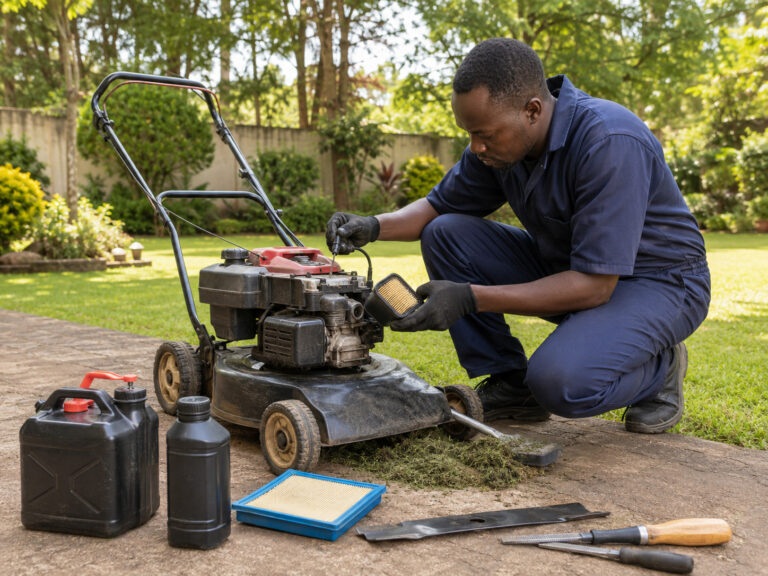
2. Check and Clean the Air Filter
The air filter prevents dust and debris from entering the engine.
Inspect it regularly, especially when operating in dusty conditions. A clogged filter can reduce engine power, increase fuel consumption, and make the machine difficult to start.
Follow the manufacturer’s instructions when cleaning it. Some reusable filters can be washed in warm, soapy water, while others should be replaced.
Allow a washable filter to dry completely before reinstalling it.
3. Inspect the Blower Tube and Hose
Check the blower tube, hose, and connectors for cracks, holes, loose fittings, or blockages.
A damaged or poorly connected tube can reduce airflow and affect the machine’s performance.
Clean out any trapped debris and replace damaged parts before using the blower again.
4. Inspect the Spark Plug
The spark plug plays an important role in starting the engine and maintaining smooth combustion.
Remove and inspect it according to the maintenance schedule in the user manual. Clean light deposits and replace the spark plug if it is heavily worn, damaged, or excessively coated with carbon.
Ensure that the spark plug is correctly tightened and that the connection is secure.
5. Use Fresh Fuel
Old fuel can deteriorate and leave deposits inside the carburettor and fuel system.
Use only the amount of fuel you expect to consume within a reasonable period. If the leaf blower will not be used for an extended time, drain the tank and follow the manufacturer’s storage instructions.
Never store fuel in an open, damaged, or unsuitable container.
6. Check Screws and Fasteners
Engine vibration can cause screws, nuts, and fittings to loosen over time.
Inspect the machine regularly and tighten loose components using the correct tools. Do not overtighten them, as this may damage the threads or plastic parts.
7. Store the Leaf Blower Properly
Store the machine in a cool, dry, and well-ventilated place.
Keep it away from:
- Open flames
- Electrical sparks
- Direct sunlight
- Moisture
- Corrosive chemicals
- Children and unauthorised users
Allow the engine to cool completely before storage. Place the blower where it cannot fall or become damaged.
8. Follow the Recommended Service Schedule
Regular servicing helps identify problems before they become serious.
Follow the maintenance intervals provided by the manufacturer. These may include cleaning or replacing filters, checking fuel lines, inspecting the spark plug, cleaning cooling fins, and adjusting the carburettor.
Seek assistance from a qualified technician if the machine becomes difficult to start, loses power, produces excessive smoke, or develops unusual noises.
Final Thoughts
A leaf blower can provide many years of dependable service when it is operated correctly and maintained regularly.
Use the correct fuel, wear appropriate protective equipment, work at a safe speed, and clean the machine after every use. Regular inspection of the air filter, spark plug, blower tube, and fuel system will also help prevent breakdowns and maintain strong performance.
Proper care protects both the operator and the machine while making outdoor cleaning safer, faster, and more efficient.
Need help choosing the right machine?
Tell us about your acreage, location, crop, livestock, or intended application. Our team will help you identify a suitable machine.
Talk to Our Team